
Natural Dyes (Henna & Indigo)
Used for centuries to dye hair and hands – henna cools the body, while indigo adds deep black tones naturally.
History
Henna (mehndi), made from the leaves of Lawsonia inermis, has decorated hands and feet at weddings and festivals across India for centuries and is also used to colour hair. Indigo, made from Indigofera plants, is one of the world's oldest natural dyes and was a major Indian export. Used together, the two give shades from warm copper to deep brown and black without chemical dyes.
Steps / Procedure
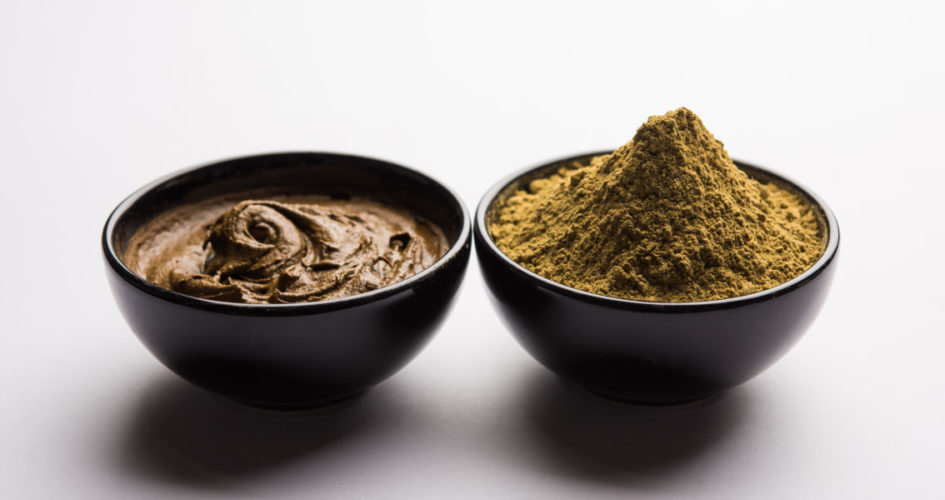
- Mix pure henna powder with lemon juice or strong tea water to a yogurt-like paste and rest it for several hours.
- Apply it to clean, dry hair or skin in even sections, or draw designs on the hands.
- Leave for 2 to 3 hours for hair, or several hours for deeper colour on the hands, then rinse.
- For darker hair shades, follow with an indigo paste mixed with warm water, applied right after mixing and left for 30 to 60 minutes.
- Rinse with plain water and avoid shampoo for the first day to let the colour settle.
Benefits
Gives long-lasting natural colour, conditions the hair and leaves it shiny. Henna has traditionally been seen as cooling.
Tips / Precautions
Use only pure natural henna. So-called black henna often contains PPD, a chemical that can cause severe allergic reactions and scarring. Always patch test, and keep both dyes away from the eyes.
General information for cultural interest, not medical advice. Check with a doctor before starting anything new, especially if you have a health condition.