
Kumkum & Sandalwood Tilak
A spiritual and aesthetic forehead mark made from natural sandalwood or turmeric, used by both men and women since Vedic times.
History
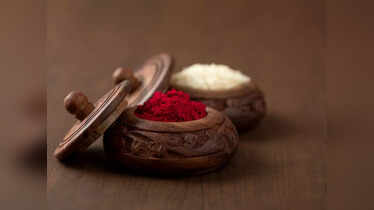
Marking the forehead between the eyebrows is one of the oldest practices in Indian tradition. The spot is associated with the ajna chakra, the centre of focus and inner sight, and the mark is worn at prayer, at festivals and at the start of auspicious work. Sandalwood paste (chandan) is cooling and fragrant and is offered in temples. Kumkum, traditionally made from turmeric treated with a little lime, gives the familiar red. Styles differ by region, sect and occasion: the vertical tilak, the horizontal tripundra and the round bindi.
Steps / Procedure
- Rub a sandalwood stick on a clean wet grinding stone with a few drops of water until you get a smooth paste.
- For kumkum, mix a pinch of pure kumkum powder with a drop of water or ghee.
- Using the ring finger, place a small dot or line at the point between the eyebrows.
- Press lightly and let it dry before touching your face.
- At the end of the day, wash it off gently with water.
Benefits
Sandalwood leaves a cooling, calming feel on the skin and a gentle natural fragrance. Beyond beauty, the tilak is a daily reminder of focus, devotion and cultural identity.
Tips / Precautions
Do a patch test first, especially on sensitive skin. Buy pure kumkum and chandan from trusted sellers, because some cheap powders contain synthetic dyes. Wash off if you notice itching or redness.
General information for cultural interest, not medical advice. Check with a doctor before starting anything new, especially if you have a health condition.