
BharatAbroad News · 17 November 2026
US Immigration Changes 2026
US Immigration Changes in 2026 Raise New Challenges for Citizens of Bharat /Indian Students, Skilled workers and Visitors
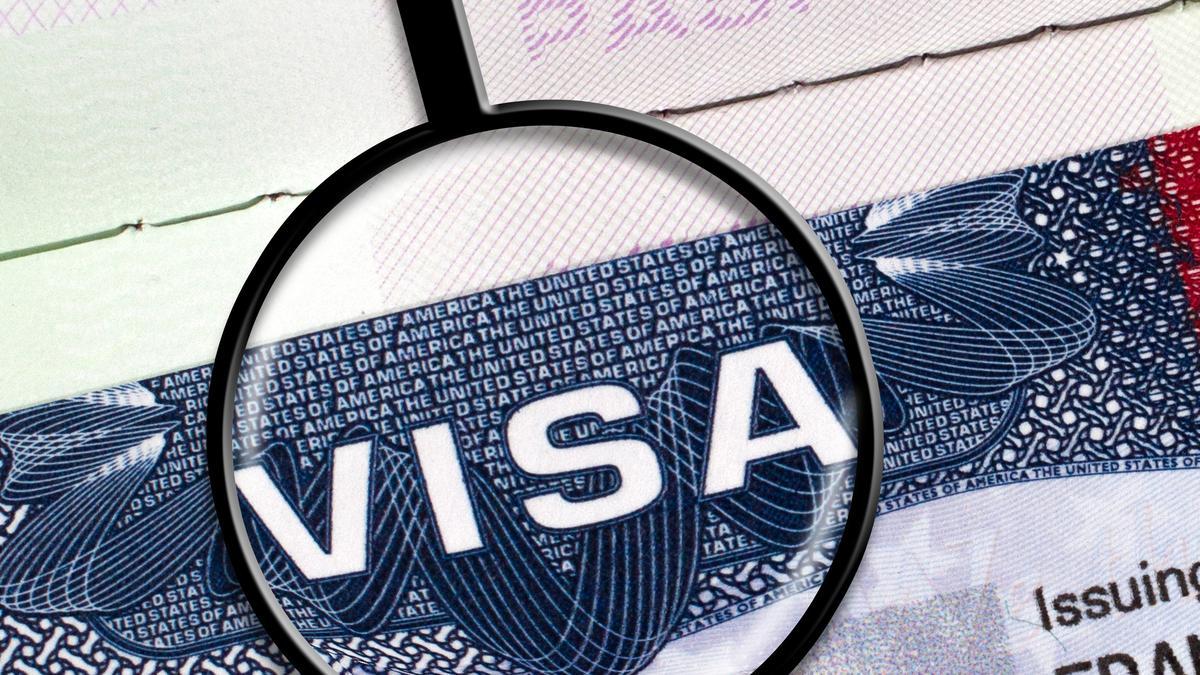
A series of immigration policy developments in 2026 are creating new uncertainties for Bharat/Indian students, skilled professionals, family-sponsored immigrants, and visitors seeking opportunities in the United States. From proposed changes to student work programs and H-1B visa rules to continued employment-based green card backlogs, the evolving immigration landscape is drawing close attention from the Bharat/Indian diaspora. Citizens of Bharat//Indians remain one of the largest groups of international students and high-skilled workers in the U.S., these developments could have significant implications for education, employment, and long-term immigration prospects.
𝐑𝐞𝐥𝐢𝐞𝐟 𝐟𝐨𝐫 𝐈𝐧𝐭𝐞𝐫𝐧𝐚𝐭𝐢𝐨𝐧𝐚𝐥 𝐒𝐭𝐮𝐝𝐞𝐧𝐭𝐬 𝐀𝐦𝐢𝐝 𝐍𝐞𝐰 𝐂𝐨𝐧𝐜𝐞𝐫𝐧𝐬 One of the most closely watched developments involves international student visa holders. A federal court recently blocked a proposal that would have imposed a fixed four-year limit on most F-1 student visas. The ruling preserves the long-standing "duration of status" policy, allowing students to remain in the U.S. for the length of their academic program and authorized training periods. However, uncertainty remains over a controversial proposal that would require universities to pay a substantial fee for each student recommended for Optional Practical Training (OPT), a program widely used by international graduates to gain U.S. work experience. The proposal has sparked concern among educational institutions and international student advocacy groups. At the same time, universities across the country are reporting declines in international student enrollment, citing stricter visa scrutiny, longer processing times, and growing uncertainty surrounding immigration policies.
𝐓𝐨𝐮𝐠𝐡𝐞𝐫 𝐑𝐨𝐚𝐝 𝐀𝐡𝐞𝐚𝐝 𝐟𝐨𝐫 𝐇-𝟏𝐁 𝐏𝐫𝐨𝐟𝐞𝐬𝐬𝐢𝐨𝐧𝐚𝐥𝐬 Bharat/Indian Skilled professionals, who make up a significant share of H-1B visa holders, are also facing new challenges. Under the wage-based H-1B selection system introduced this year, higher-paid applicants receive greater priority during visa selection. Critics argue that the change could disadvantage recent graduates and entry-level professionals seeking to enter the U.S. workforce. Another proposal under review would eliminate the long-standing practice of giving deference to prior visa approvals during extension reviews. If implemented, immigration officers could reassess eligibility from the beginning, potentially increasing uncertainty for H-1B, L-1, and other employment-based visa holders seeking renewals. Additionally, employers with a large concentration of H-1B and L-1 workers continue to face elevated filing costs for visa extensions, adding to the financial burden associated with sponsoring foreign talent.
𝐆𝐫𝐞𝐞𝐧 𝐂𝐚𝐫𝐝 𝐁𝐚𝐜𝐤𝐥𝐨𝐠𝐬 𝐂𝐨𝐧𝐭𝐢𝐧𝐮𝐞 𝐟𝐨𝐫 𝐂𝐢𝐭𝐢𝐳𝐞𝐧𝐬 𝐨𝐟 𝐁𝐡𝐚𝐫𝐚𝐭/𝐈𝐧𝐝𝐢𝐚𝐧𝐬 Despite periodic movement in visa bulletin dates, employment-based green card applicants from Bharat/India continue to face some of the longest waiting periods in the U.S. immigration system. Backlogs remain particularly severe in the EB-2 and EB-3 categories, affecting highly skilled professionals who have spent years waiting for permanent residency. While certain applicants may proceed with filing adjustment-of-status applications under filing date provisions, final green card approvals remain subject to lengthy visa availability delays. Immigration attorneys say the persistent backlog underscores the broader challenges facing Bharat/Indian professionals pursuing permanent residency in the United States.
𝐈𝐧𝐜𝐫𝐞𝐚𝐬𝐞𝐝 𝐒𝐜𝐫𝐮𝐭𝐢𝐧𝐲 𝐟𝐨𝐫 𝐅𝐚𝐦𝐢𝐥𝐲 𝐚𝐧𝐝 𝐕𝐢𝐬𝐢𝐭𝐨𝐫 𝐀𝐩𝐩𝐥𝐢𝐜𝐚𝐭𝐢𝐨𝐧𝐬 Family-sponsored immigrants and visitor visa applicants are also encountering greater scrutiny. Revised adjudication standards allow immigration officials to deny incomplete applications without first requesting additional evidence, placing added emphasis on accurate and complete filings. In contrast, some family-sponsored immigration categories have shown positive movement, offering faster progress for certain applicants with relatives already living in the United States.
𝐆𝐫𝐨𝐰𝐢𝐧𝐠 𝐈𝐦𝐩𝐨𝐫𝐭𝐚𝐧𝐜𝐞 𝐟𝐨𝐫 𝐭𝐡𝐞 𝐁𝐡𝐚𝐫𝐚𝐭/𝐈𝐧𝐝𝐢𝐚𝐧 𝐃𝐢𝐚𝐬𝐩𝐨𝐫𝐚 For thousands of Bharat/Indian students, technology professionals, healthcare workers, entrepreneurs, and family-sponsored immigrants, the latest policy shifts highlight the importance of staying informed about changing U.S. immigration rules. While some court rulings have temporarily provided relief, several proposed regulations remain under review and could significantly influence future immigration pathways. As policymakers continue debating immigration reform, Indian nationals are expected to remain among the groups most affected by changes to student, employment, and family-based immigration programs.